Moles, Cysts and Skin Tag Removal
Many of us of us have skin imperfections which can develop over the course of our lives and tend to increase and enlarge as we age. Moles in particular can be large and unsightly. The can often be raised, with hair growing from within them and can be embarrassing if on a visible part of the body. Some skin lesions, particularly cysts can become infected, painful, increase in size over time and require treatment. Removing moles, skin tags and cysts can remove any irritation they may be causing and aesthetically improve the look of your skin.
Whilst most moles are often harmless or benign skin growths, it is very important to note that if you have a mole that changes in colour or size, or starts to bleed, it is really important to get it checked by your GP.
Removing these lesions is usually very easy and apart from concerns about changes in their appearance, the reasons why people may want to remove moles, cysts, warts and skin tags are pain, being unsightly, restricting movement, bleeding when they rub on clothes or simply being fed up with living with them.
Our surgical suite has been purpose built and has the latest in equipment and facilities to ensure that we provide you with the safest and best possible treatments. Additionally our doctors are very experience in the removal of lesions and have had extensive training in providing skin surgery treatments.
How do I know what kind of lesion I have?
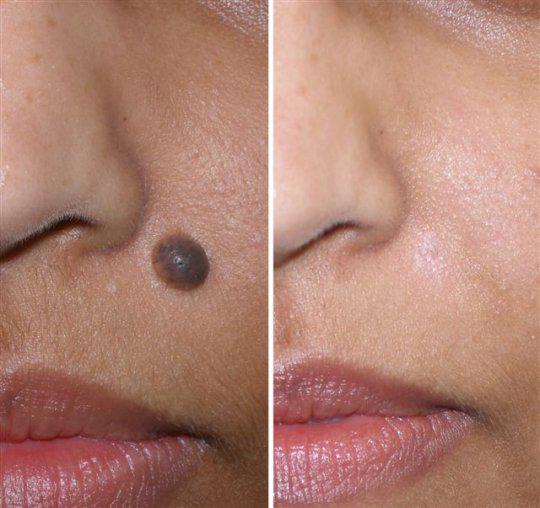
Skin Moles
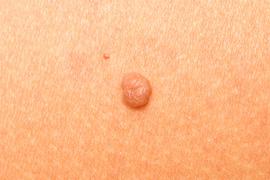
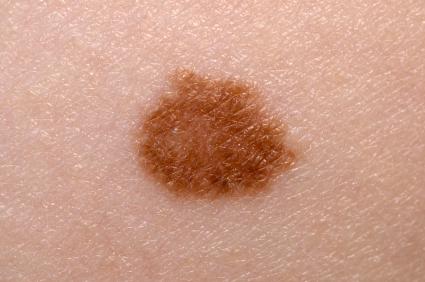
Skin moles are small spots on the skin which can be raised or flat. They can be skin coloured of pigmented (dark). Many people have moles which are aesthetically displeasing. Though they are usually benign and often not troublesome, removal can give excellent results.
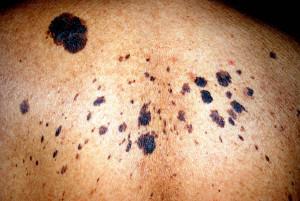
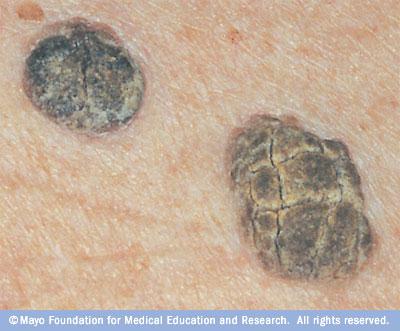
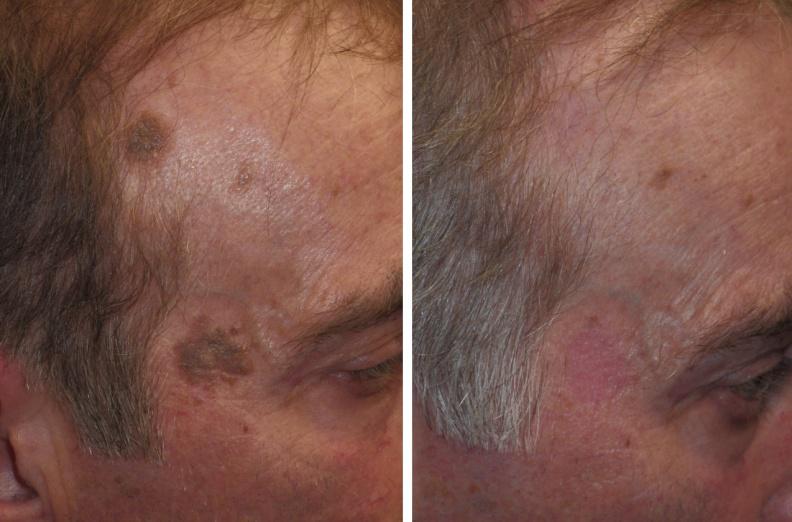
Seborrhoeic Keratoses
Seborrhoeic Keratoses are a noncancerous skin condition that appear as a waxy brown, black, or tan growth. They can appear at any age and commonly seen on the back, around the scalp and arms. They have a tendency to slowly grow and become itchy. They can occasionally “fall off” and bleed.
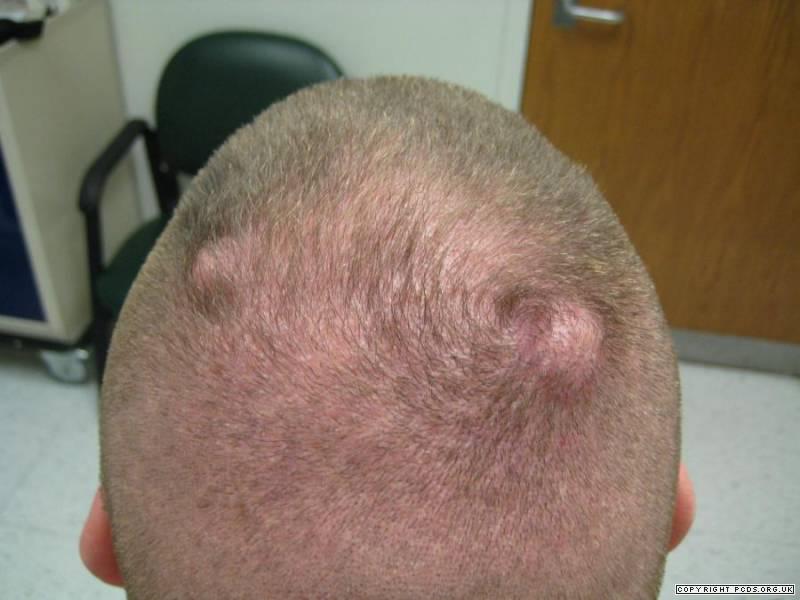
Sebaceous Cyst / Pilar Cyst / Epidermoid Cyst
Sebaceous cysts most often arise from swollen hair follicles. Skin trauma can also cause a cyst to form. A sac of cells is created into which a protein called keratin is secreted. The main symptom is usually a small, non-painful lump beneath the skin. The lump is usually found on the face, neck and trunk. It usually grows slowly and is not painful.
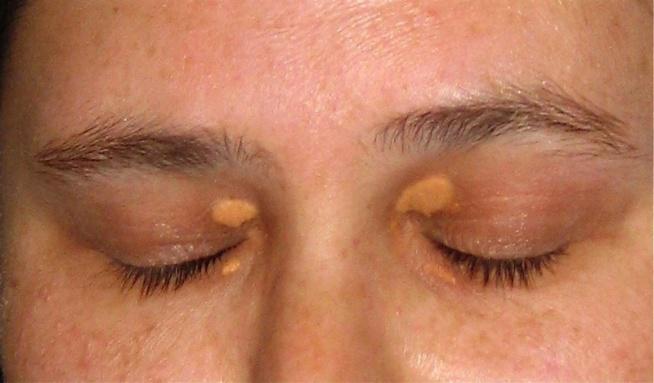
Xanthalasma (Fatty deposits)
Xanthelasma is a sharply demarcated yellowish deposit of fat underneath the skin, usually on or around the eyelids. While they are neither harmful nor painful, these minor growths may be disfiguring and can be removed easily. They can be linked to people having a high level of cholesterol in their blood.
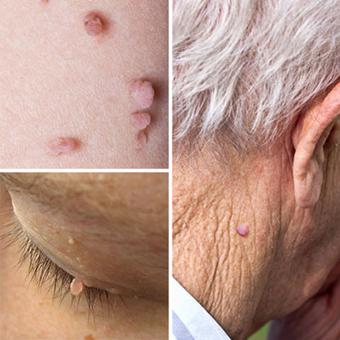
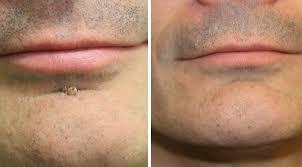
Skin Tags
Skin tags are small flesh-coloured or brown growths that hang off the skin that are harmless. They can vary in size. Commonest places where people get skin tags are neck, under arms, breasts and around the eyes but they can appear anywhere.
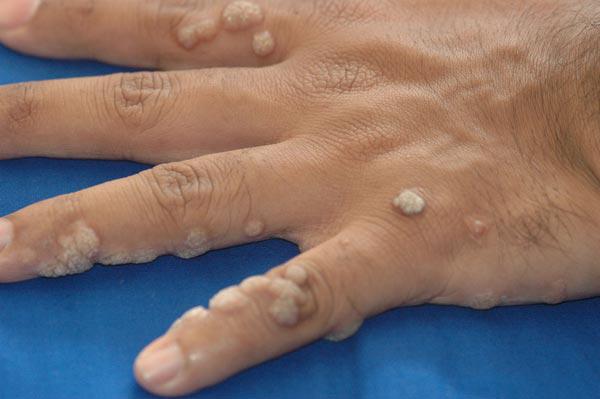
Warts/Verrucaes
Warts are a viral infection that appear as small lumps. They can appear anywhere but are usually found in hands and feet. They have a tendancy to multiply over time and can become painful, especially on the soles of feet.
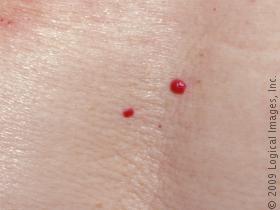
Haemangioma
Haemangioma are birthmarks that are benign collection of cells lined with blood vessels. It is the lining of blood vessels that gives them the bright colour. It is also the collection of blood vessels that sometimes lead to them increasing in size rapidly.
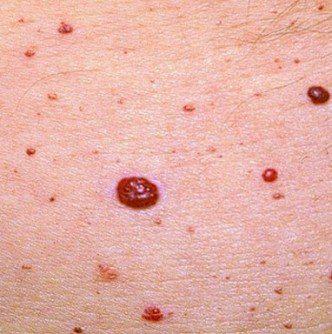
Campbell de Morgan Spots
These benign bright red spots usually appear in adult life. They are a collection of multiple small tiny blood vessels within the layers of the skin. They rarely cause problems and can appear anywhere; the commonest places being on the neck, trunk and arms.
There are various methods for removing moles, cysts, warts and skin tags.
Cryotherapy (freezing) – this is very good for superficial skin lesions. The mole, wart or skin tag sloughs off a few days after treatment.
Electrocautery – uses electricity to heat tissue which in turn dries up and removes the mole, cyst, wart or skin tag. It is also used to stem or reduce any blood flow
Curettage – this scrapes off the lesion from the skin. Can be used on its own or in combination with Electrocautery
Plexr- Plexr treatment uses plasma energy to vaporize the lesions.
Laser- Our Ndyag laser is excellent for the removal of Cherry Angiomas.
Surgical Excision – Removal by cutting the lesion out of the skin. See Tab for more information.
Our mole removal service includes as many free follow-up reviews after the procedure and can include histology at an extra cost.
Our surgical suite has been purpose built and has the latest in equipment and facilities to ensure that we provide you with the safest and best possible treatments. Additionally our doctors have all taken additional training in providing skin surgery treatments.
The doctor will have a detailed consultation with you, outline the pros and cons, the procedure itself as well as giving detailed information on what to do prior to the procedure as well as after care
The lesion to be removed will then be marked out and the area cleaned. The whole procedure is carried out in sterile conditions
The procedure will be carried out by a qualified and approved doctor, who will inject a local anaesthetic around the area. The injection may sting for a few seconds, but this eases within a few seconds and you should then not feel any more pain.
The doctor will then use a scalpel to remove the lesion.
The skin is then stitched back together using an appropriate sterile suture (surgical thread). The wound will then be reviewed by the doctor in 5-10 days, when the stitches will be removed.
*Optional -The specimen which has been cut out can be sent to the histology laboratory at your request or when the doctor has concerns at an additional charge. The results of these will be passed to you and ensure that anything serious such as possible skin cancer is followed up as soon as required. Most lesions are of course benign and our aim is always to refer patients to hospital (as per National Surgical guidance set by the National Institute of Clinical Excellence) if we have serious concerns about any moles prior to removal.
How many treatments will I need
The majority of lesions can be successfully removed with 1 treatment. If you require more your doctor will inform you of this at your consultation
What will happen after the procedure
For Cryotherapy, Electrocautery, Curettage and PlexR : A small blister may form which will then scab off revealing new skin underneath. More commonly there may appear to be a small sore which will heal spontaneously over the next few days. Once healed there is usually no scar with these procedures
Ndyag Laser: immediately after the area may go darker. Occasionally a small blister may form .This will fade after a few days leaving no trace of treatment.
Surgical Excision. You may be asked to come back to have a quick review the following day. Your stitches will be removed 5 - 10 days later to reveal a small scar which will be pink/red. This will fade over the course of the next few weeks usually leaving virtually no sign that you had the mole in the first place
How many blemishes can be removed in one go
For skin tags and solar keratosis we try and remove as many as you can tolerate. Most patients want them gone as quickly as possible and it is possible to do as many as 50 skin tags in one go. For Solar keratosis we try and cover as much of the area as the doctor deems practical.
For the surgical excision of moles we can do multiple excisions at one time.
The doctor will then use a scalpel to remove the lesion.
The skin is then stitched back together using an appropriate sterile suture (surgical thread). The wound will then be reviewed by the doctor in 5-10 days, when the stitches will be removed.
*Optional -The specimen which has been cut out can be sent to the histology laboratory at your request or when the doctor has concerns at an additional charge. The results of these will be passed to you and ensure that anything serious such as possible skin cancer is followed up as soon as required. Most lesions are of course benign and our aim is always to refer patients to hospital (as per National Surgical guidance set by the National Institute of Clinical Excellence) if we have serious concerns about any moles prior to removal.
Mole Removal
Solar Keratosis
Sebaceous Cyst (on head)
I had a mole on the side of my nose which was really bothering me. Although I had had it for many years towards the end it became the focus of everything in my mind- prob as it had grown a little as well. I had it removed at LasaDerm and am so pleased. Just wish I had done it years ago
Julie
The staff and Drs at LasaDerm are lovely. They are friendly and professionally. I was so nervous about having my mole removed by my eye. On the day I went in they put me at ease and calmly explained everything to me. They are quite a jovial bunch! The anaesthetic when it went in did hurt but I really felt nothing after that and even managed to talk. I had been told to take painkiller when I got home as the scar can be painful, but I had nothing apart from mild discomfort and didn’t need to take anything. I was reviewed and had my stitches out and it has healed perfectly. Thank you LasaDerm
Vicki
Prices
Skin Tags -£100 for up to 12 skin tags
Electrocautery Removal from £100
Removal of multiple moles with Plexr from £260
|
Surgical Excision of Moles
|
|
After your Free consultation these prices are inclusive of the procedure and all after including ALL reviews
|
|
1 MOLE £295
|
2 MOLES £550
|
3 MOLES £750
|
|
For a combination of different mole removal procedures depending on the nature of the moles there is a competitive package price offered.
|