-

-
Non-Surgical
WHERE DO I START?
ALL OUR TREATMENTS
-
Surgical Treatments
Face
- Gallery
- Our Prices
- About Us
- Contact
Registrered cosmetic medical clinic for non-surgical skin treatment


Call now for a FREE consultation
01908 555595




- Blepharoplasty
- Prices
- Reviews
- Before And After
Blepharoplasty – Eyelid Surgery
Losing skin elasticity and muscle tone around the eyes is common as we get older. The result is loose folds of skin on the upper eyelids and deep creases under your lower eyelids. The fat underneath your eyes may take on a ‘baggy’ appearance, and the effects can be made worse by excessive sun exposure, smoking and from hereditary factors.
Besides making you look older, severely sagging skin around your eyes can reduce your side vision (peripheral vision), especially the upper and outer parts of your field of vision. Blepharoplasty can reduce or eliminate these vision problems and make your eyes appear younger and more alert.
At LasaDerm, Blepharoplasty is usually done on an outpatient basis under local anaesthetic so you can go home straight after.. The surgery or procedure is usually an hour for upper eyelids and about 2 hours for both upper and lower eyelids. To help decide if blepharoplasty is right for you, book an appointment with our Consultant Surgeon and find out what you can realistically expect and explore the benefits and risks of blepharoplasty.
How eye bag removal surgery is done
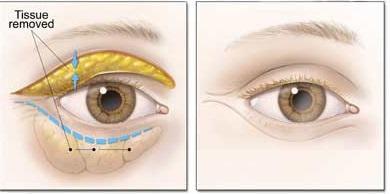
During blepharoplasty, the surgeon cuts along the creases of your eyelids to trim sagging skin and muscle and remove excess fat. After the excess tissue is removed, your surgeon joins the skin with tiny stitches along your eyelid crease resulting in scars that will be virtually undetectable overtime.
Why Blepharoplasty is done
You might consider blepharoplasty if droopy or sagging eyelids keep your eyes from opening completely or pull down your lower eyelids. Removing excess tissue from your upper eyelids, lower eyelids or both can improve vision and make your eyes appear younger and more alert.
Blepharoplasty may be an option if you have:
- Baggy or droopy upper eyelids
- Excess skin of the upper eyelids that interferes with your peripheral vision
- Droopy lower eyelids, which may cause white to show below the coloured part of the eye (iris)
- Excess skin on the lower eyelids
- Bags under your eyes
You may undergo blepharoplasty at the same time as another procedure, such as a brow lift, face-lift or skin resurfacing.
What are the risks?
Possible risks of eyelid surgery include:
- Infection and bleeding
- Dry, irritated eyes
- Difficulty closing your eyes or other eyelid problems
- Noticeable scarring
- Injury to eye muscles
- Skin discoloration
- The need for a follow-up surgery
- Temporarily blurred vision or, rarely, loss of eyesight
- Risks associated with surgery in general, including reaction to anaesthesia, blood clots, and cardiac and pulmonary complications
Talk to your Surgeon about how the surgical risks apply to you. Understanding what's involved in blepharoplasty and weighing the benefits and risks can help you decide if this procedure is a good option.
What happens at your consultation?
Before scheduling blepharoplasty, you will meet with your surgeon to discuss:
- Your medical history. Your surgeon will ask questions about previous surgeries and past or current conditions, such as dry eyes, glaucoma, allergies, circulatory problems, thyroid problems and diabetes. Your doctor will also ask about your use of medications, vitamins, herbal supplements, alcohol, tobacco and drugs.
- Your expectations. An honest discussion of your hopes and motivation for surgery will help set the stage for a satisfactory outcome. Your surgeon will discuss with you whether the procedure is likely to work well for you.
Before your eyelid surgery, you'll undergo:
- Eyelid photography. Your eyes will be photographed from different angles. These photos help with planning the surgery, assessing its immediate and long-term effects, and supporting an insurance claim.
And you will be asked to:
- Stop taking aspirin, ibuprofen, naproxen, and any other medication or herbal supplement associated with increased bleeding. It's best not to use these medications and supplements for two weeks before and after surgery. Take only medications approved by your surgeon.
- Quit smoking several weeks before your surgery. Smoking can reduce your ability to heal after surgery.
- Arrange for someone to drive you to and from surgery. Plan to have someone stay with you for the first night after returning home from surgery.
What happens during the procedure?
Blepharoplasty is usually done in an outpatient setting. Your surgeon injects numbing medication into your eyelids and may administer an intravenous medication to help you relax. This may make you groggy.
During the procedure
If you have surgery on your upper and lower eyelids, the surgeon generally works on your upper lids first. He will cut along the fold of the eyelid, remove the excess skin, muscle and fat, and close the cut.
On the lower lid, the surgeon makes a cut just below the lashes in your eye's natural crease or inside the lower lid. He will remove or redistribute excess fat, muscle and sagging skin, and then close the cut.
If your eyelid droops close to your pupil, your surgeon may do blepharoplasty with a procedure called ptosis (TOE-sis) to address that problem.
Blepharoplasty usually takes less than two hours, depending on the amount and location of tissue being removed.
After the procedure
After the procedure you will be ready to go home with your aftercare instructions. You will need to be driven home so ensure you have a friend or relative that is able to do this
After surgery you may temporarily experience:
- Blurred vision from the lubricating ointment applied to your eyes
- Watering eyes
- Light sensitivity
- Double vision
- Redness where the cuts were made
- Puffy, numb eyelids
- Swelling and bruising similar to having "black eyes"
- Some pain in some patients
Your surgeon will likely suggest you take the following steps after surgery:
- Gently clean your eyelids and use prescribed eye drops or ointments.
- Avoid straining, heavy lifting and swimming for a few days.
- Avoid strenuous activities, such as aerobics and jogging, for a few days.
- Avoid smoking.
- Avoid rubbing your eyes.
- If you use contact lenses, don't put them in for about two weeks after surgery.
- Wear darkly tinted sunglasses to protect the skin of your eyelids from sun and wind.
- Sleep with your head raised higher than your chest for a few days.
- Apply a cool compresses to reduce swelling.
- After a few days, return to the doctor's office to have stitches removed, if needed.
- For a few days, avoid aspirin, ibuprofen, naproxen, and other medications or herbal supplements that may increase bleeding. If needed, use paracetamol to control pain.
What are the results like?
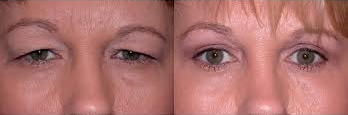
Many people express satisfaction with the results of blepharoplasty, such as a more rested and youthful appearance and more self-confidence. For some people, results of surgery may last a lifetime bearing in mind that the aging process still continues.
Scars from the surgical cuts may take six months or longer to fade. Take care to protect your delicate eyelid skin from too much sun exposure.